A century of magical like success with drugs effortlessly found, like a boy finds cobbles in a dry riverbed, spoiled humanity and has kept medicine from evolving like other sciences. Penicillin and Cortisone and other “throw it on anything” drugs have helped humanity to raise human life expectations within the last ninety or so years, but hindered us thus also to reach further. Medicine is still an infantile science compared with others. We lack sensors that look into our bodies to tell us what actually is going on inside.
If we had those sensors, we would still lack the know how to predict what will happen next. We have no simulations that can help to speed up tests that still take days, weeks, months and sometimes years to conduct. How are we to conquer diseases like Alzheimer that take centuries to manifest?
Science is all about observing, modelling mathematical models of reality and then testing these models. But if we have to wait centuries for the result of an experiment science will be a very difficult and slow process. No wonder medicine prefers to search for cobbles lying in the road.
Looking into the past and the big events in science, they where most of the time advances in our tools to measure the world around us. A new tool that allows us to look into the fabric of reality allowed us to see microbes and understand the big impact they had on our life expectations.
It is difficult to believe that we put a man on the moon and that the device I’m writing this article with is capable of calculating billions of instructions per second, but we still have people who die because their blood vessels slowly within years have closed and nobody had noticed. People still run around with all kind of diseases without noticing. We are just now starting to investigate what kind of microbes live in our bodies and what effect they have on our metabolism.
We are now that far to notice, that not every human is the same and that some therapies that work for one will not work for the other. Although most of the time we do not know why this is so.
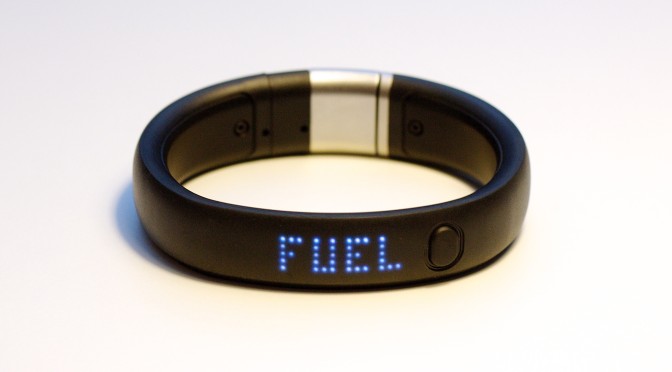
That is where the new trend of self measurement is going to help. People all over the world are constantly monitoring their body functions with the sensors nowadays available. None of these measurement devices are new or unique, but being able to measure so many individuals all around the globe, transforming this data effortlessly to electronic data that can be transferred, stored and compared will allow statistically relevant facts to be found, that was impossible using old faction manual methods.
We will find differences in the human body and we will investigate those differences and they will make it possible to predict the success of a therapy to the degree of science. In a similar way it is now possible to predict the weather for a specific town, you will be given your very personal success chance calculated by using facts about what kind of body you have.
